


Police Magazine Logo
MenuMENU
SearchSEARCH
Photo of William Harvey

William Harvey

Chief

William "Bill" Harvey is the Chief of the Ephrata (Pa.) Police Department. Prior to this he was the Chief of the Lebanon City (Pa.) Police Department for more than six years. Harvey retired from the Savannah (Ga.) Police Department where he worked assignments in training, patrol, and CID. He served as a sergeant in the U.S. Army Military Police Corps and has a BA in criminology from St. Leo University and is a graduate of the Southern Police Institute of the University of Louisville (103rd AOC). Harvey has more than 25 years of experience working with recruits, rookies, and FTOs. He serves on the advisory boards of POLICE Magazine, POLICE RECRUIT Magazine, TREXPO, and the International Law Enforcement Educators and Trainers Association (ILEETA).

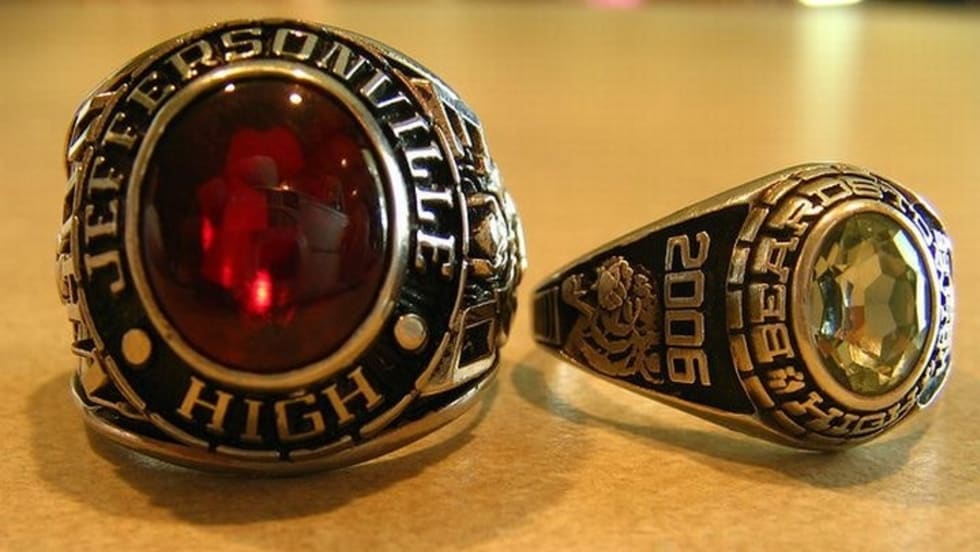
The Bling Factor: Jewelry on Patrol

Most departments have a policy or regulation regarding jewelry. The boilerplate verbiage could include a limit of one wristwatch, one bracelet, and one necklace that's not visible to the public. One ring per hand is standard. Earrings are usually allowed for females, and policies may now also cover male officers.

Read More →

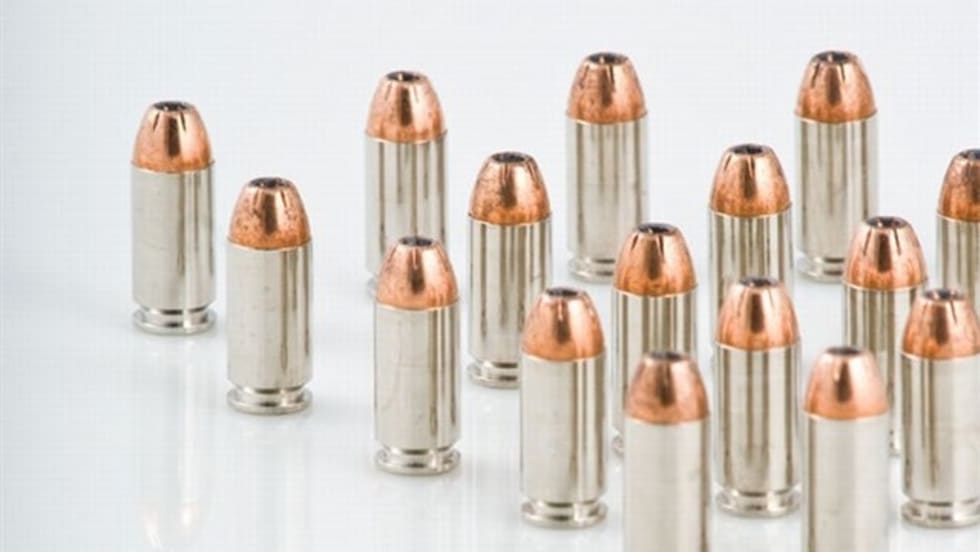
Follow Your Agency's Ammo Rules

Somewhere in the fine print of your departmental directives or policies regarding firearms and use of force you'll read the line, "No unauthorized ammo will be used in departmental weapons for duty."

Read More →

ILEETA: Top Trainers Gather in Chicagoland

The signs of the global budget woes did not stop several from attending. One interesting point this year was it appears more trainers attended on their own personal time and expense. This clearly shows the dedication of the professional trainers of this organization and their devotion to their calling as a law enforcement trainer.

Read More →
Ad Loading...
Inside the Badge by William HarveyApril 26, 2011

Know Your Recruit

If you find yourself in the role of Field Training Officer (FTO) or occasional trainer, please make an effort to understand the background of your recruits. For the one-on-one trainer, try to grasp the knowledge, skills, and abilities of your trainee. If both of you do this, you'll save yourself wasted time, aggravation, ruffled student, egos and probably maximize valuable training time.

Read More →
Inside the Badge by William HarveyApril 19, 2011

Are the Elements of Your Life In Balance?

I'd compare your life foundation to a table with four legs holding it steady. What are the four legs? Family, faith, friends and vocation. Let's explore them to help you achieve balance.

Read More →
Inside the Badge by William HarveyApril 14, 2011

Proofread Your Reports

Once you have labored over a lengthy report, stop if you can. Grab a coffee, sit back down and read it as a neutral party, from the 10,000-foot level. Try to disassociate yourself from your product and read it critically. Don't give it a quick blush over; read it.

Read More →
Ad Loading...
Inside the Badge by William HarveyApril 4, 2011

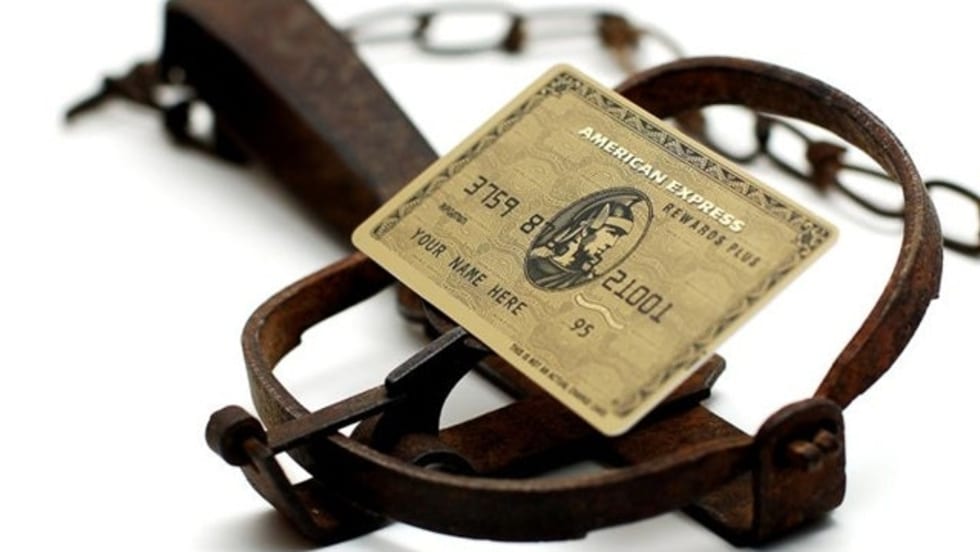
Financial Planning: Think Twice Before You Spend

Watching younger officers entering long-term financial obligations such as homes, credit or vehicles worries me greatly. Research the stability of your job during the next two to three budget cycles before you ink any contracts.

Read More →
Inside the Badge by William HarveyMarch 28, 2011

Maintain Your Gear, It Could Save Your Life

I've seen handguns that have not been cleaned and cared for. I've seen holsters with cobwebs and dust lines, telling me the weapon hasn't been removed in months.

Read More →
Inside the Badge by William HarveyMarch 21, 2011

Training Your Other Backup

I know you thought that when you came on the job that you would be cared for by the department. Yes, but not solely. Some departments have plans and shelters for families of first responders. What I recommend is a family drill. Have them prepare to evacuate in two hours or less.

Read More →
Ad Loading...
Inside the Badge by William HarveyMarch 14, 2011

Waiting for Your Time

Time-in-service requirements have long been around; they started in the military. If you're working in a grade — let's say patrol officer — you'll have to serve a suitable time period in the pay grade or assignment before you can be promoted or transferred. This allows you to gather valuable experience or what I call exposure.

Read More →